The Swiss PTT (Post, Telegramm, Telegraph) was divided into the Swiss Post (postal services) and Swisscom (telecommunications) in 1997. Both companies are now organized as limited public companies, but the government still holds the majority of the shares.
The mighty Swiss postal system continues to reign as the largest transport company in Switzerland, conveying letters, express items and parcels, it also offers delivery services, passenger transport (Postbus) and financial services (Postfinance, Yellow Funds) similar to a bank. The Swiss Post has a reputation for its reliability. One remarkable service is the guaranteed delivery (within Switzerland) of a first-class letter (priority or A-Post) on the very next day.
The Post is the market leader for payments and it currently operates 3500 post offices nationwide, which makes it the densest post office network in the world.
Post Offices
The Main Post Office of Zurich is the Sihlpost near the Main Station (Kasernenstrasse 95-99, 0848 84 84 42 ). Its hours are Monday to Friday 6.30am to 10.30pm, Saturday 6.30am to 8pm and Sunday 11am to 10.30pm.
Zurich Main Station also has a post office that offers full postal services excluding parcels weighing over 1kg (unless sent express).
There are post offices conveniently located throughout Zurich, close to Paradeplatz, Bellevue, Central and in the districts of the city.
Post office hours are, in general, Monday to Friday 7.30am to 6pm and Saturday 7.30am to 11am. Smaller post offices are closed during lunchtime and have individual opening hours.
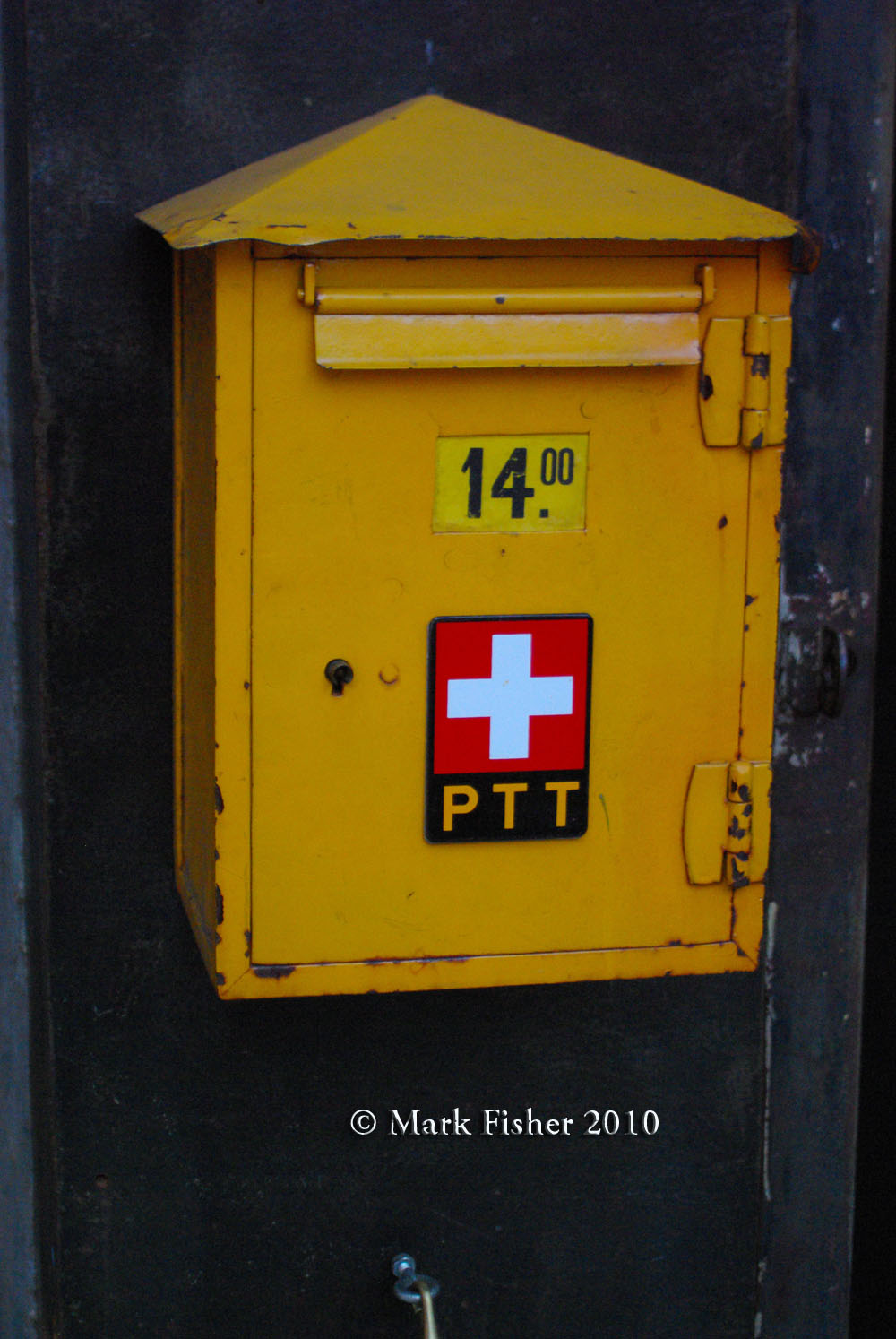
Letterboxes are bright yellow and the time of the next pick up is always indicated on the box.
Postal Rates within Switzerland
The Swiss Post has a two-tier system for mail:
– All letters and postcards sent within Switzerland can be sent first class mail by placing the letter A next to the stamp. These letters will be received the following day (except Sunday).
– All other letters, known as B post should arrive within 2 or 3 working days.
Stamps can be purchased either in the post office or from stamp machines. Stamps are also available from shops or kiosks that sell postcards.
Packages up to 30 kg can be sent within Switzerland registered or unregistered.
Letters, postcards and parcels can also be sent express within Switzerland.
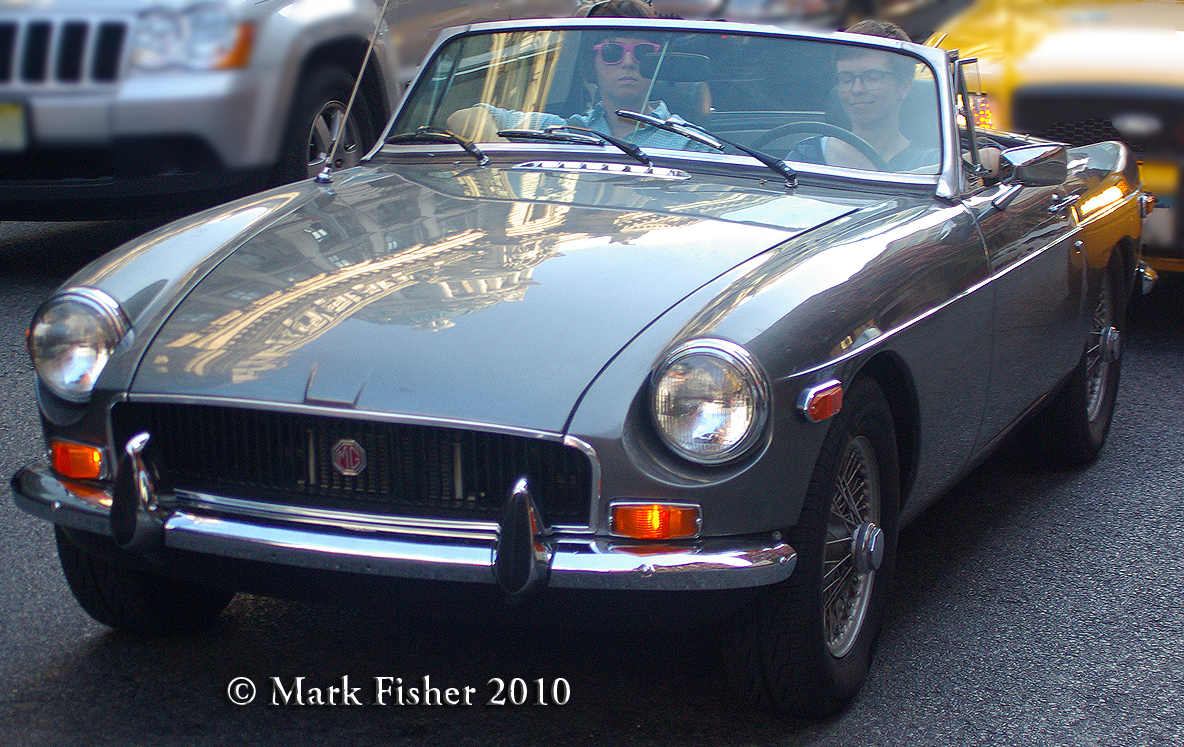
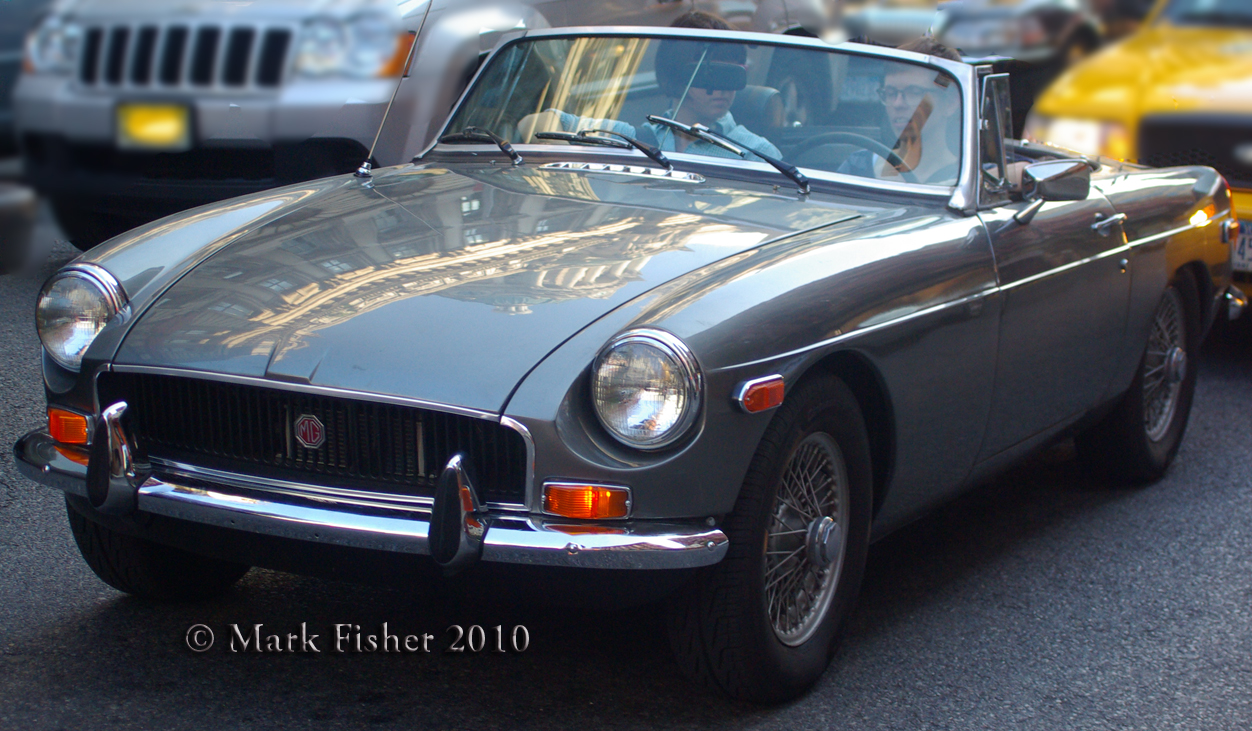
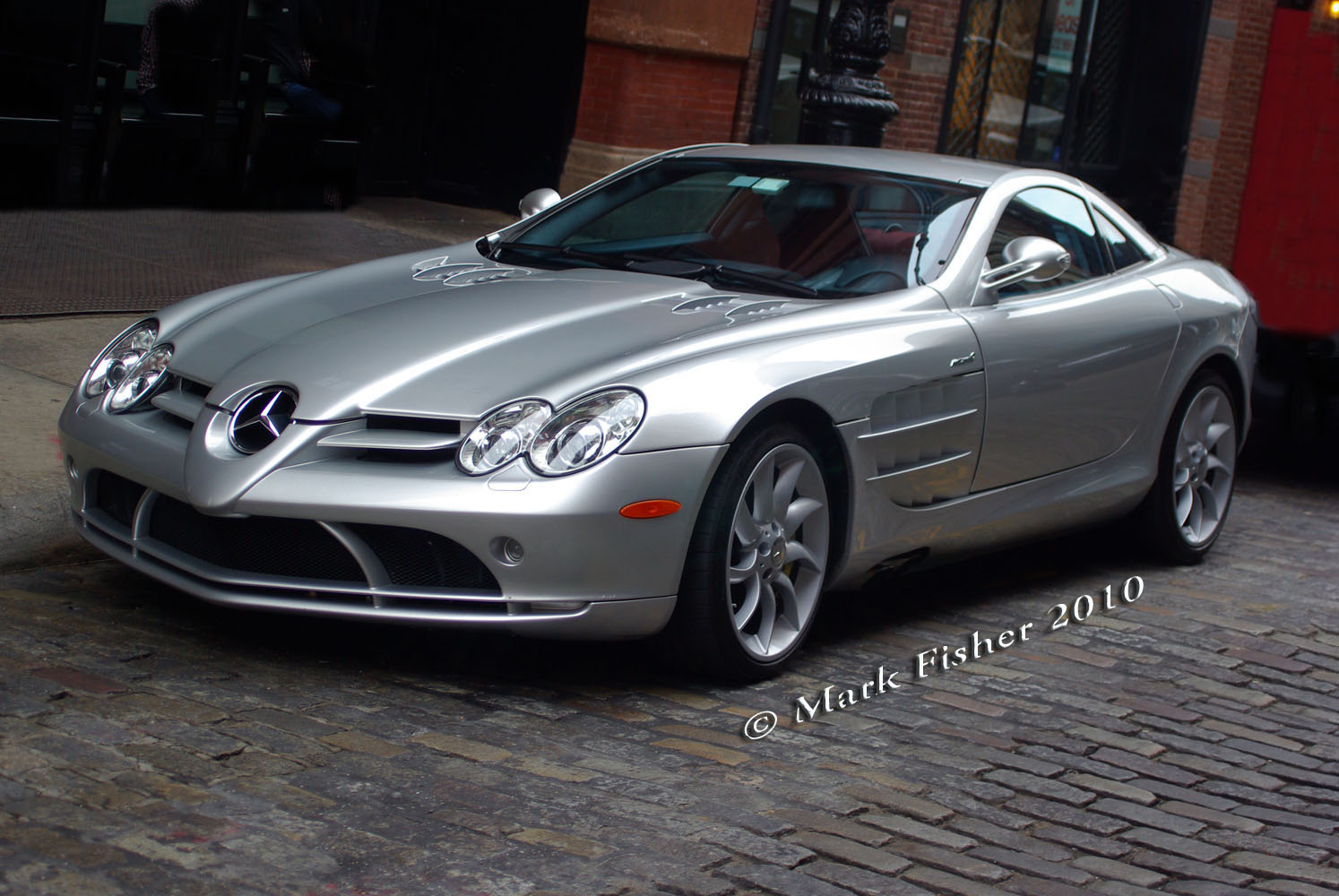
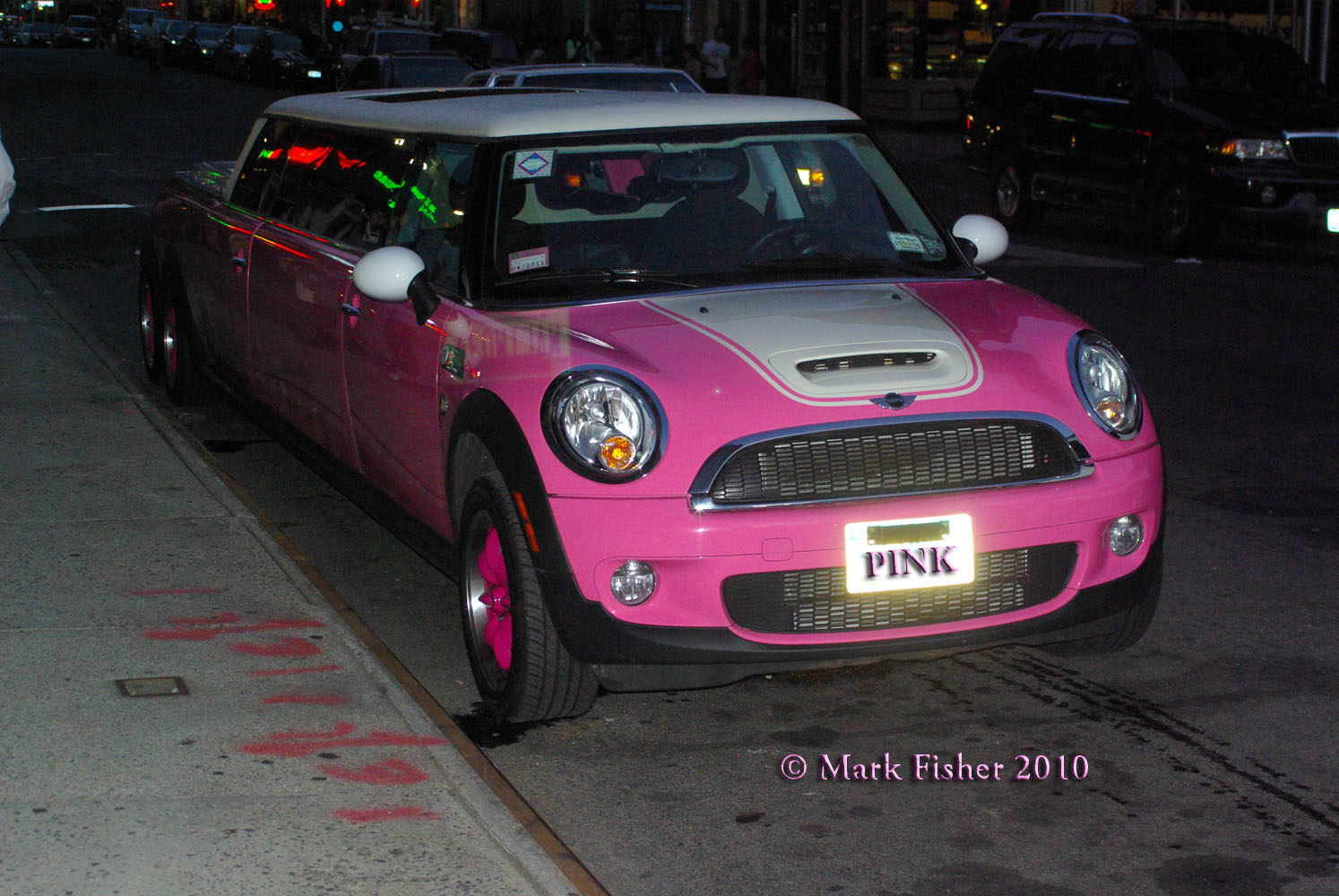
1970 MG Image By American Photographer Mark Fisher
In The Shadows Of The Street
Cool Car To Have For A Spin.
More Info:
MG Cars is a former Britishsports car manufacturer, which was founded in 1924, the creator of the MG brand.
MG Cars is best known for its two-seat open sports cars, but MG also produced saloons and coupés. More recently, the MG marque has also been used on sportier versions of other models belonging to the parent company.
The MG marque was in continuous use (barring the years of the Second World War) for 56 years after its inception. Production of predominantly two-seater sports cars was concentrated at a factory in Abingdon, some 10 miles (16 km) south of Oxford. The British Motor Corporation (BMC) competition department was also based at the Abingdon plant and produced many winning rally and race cars. In the autumn of 1980, however, the Abingdon factory closed and MGB production ceased.
Between 1982 and 1991, the MG marque was revived on sportier versions of Austin Rover’sMetro, Maestro and Montego ranges. After an interval of barely one year, the MG marque was revived again, this time on the MG RV8 — an updated MGB Roadster with a Rover V8 engine, which was produced in low volumes.
The “real” revival came in the summer of 1995, when the high volume MG F two-seater roadster was launched. This was an instant hit with buyers, and sold in volumes which had been unthinkable on affordable two-seaters since the 1970s.
The MG marque passed, along with the Rover marque to the MG Rover group in May 2000, when BMW ‘broke up’ the Rover Group. This arrangement saw the return of MG badges on sportier Rover-based cars, and a revised MG F model, known as the MG TF, launched in 2002. However, all production ceased in April 2005 when MG Rover went into administration.
The assets of MG Rover were bought by Chinese carmaker Nanjing Automobile in July 2005 who themselves were bought by SAIC in December 2007.[1]
In 2007 production of the MG TF roadster and MG 7 large sports saloon (derived from the previous Rover 75/MG ZT model) started in China.[2] Assembly of MG TFs for the European market, from Chinese built complete knock down (CKD) kits, was started by NAC MG UK at Longbridge in August 2008.[3]








 Markfisherphoto's Blog